What is SSL ?
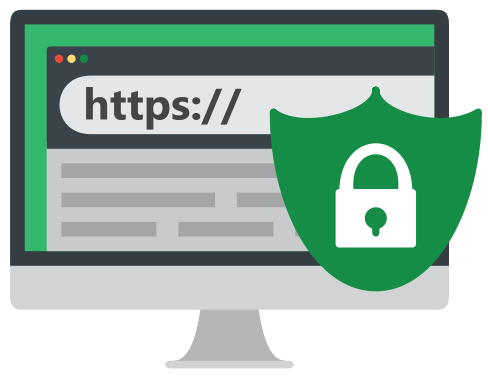
SSL stands for Secure Sockets Layer. It is a standard security protocol that establishes encrypted links between a web server (where a website is hosted) and a browser (the client accessing the website). This link ensures that all data transmitted between the web server and browser remains encrypted and secure.
Here are some key aspects of SSL in websites :
Table of Contents
Encryption:
SSL encrypts data such as personal information, credit card numbers, and login credentials. This prevents hackers and identity thieves from accessing sensitive information during transmission.
Authentication:
SSL provides authentication, ensuring that the server your browser is connected to is indeed the correct server and not an imposter. This builds trust with website visitors.
Data Integrity:
SSL protocols include algorithms that ensure data integrity, meaning that data cannot be altered or corrupted during transmission without being detected.
Trust and Confidence:
Websites that use SSL certificates display a padlock icon in the browser’s address bar and use “https://” instead of “http://”. This indicates to visitors that the connection is secure and that their information is safe.
SEO Benefits:
SSL is also beneficial for search engine optimization (SEO). Search engines like Google prioritize secure websites in search results, which can improve a site’s ranking.
Overall, SSL is essential for protecting sensitive information as it travels across the internet and for building trust between a website and its visitors.
Why it is used in website ?

SSL (Secure Sockets Layer) is used in websites primarily for security reasons. Here are the key reasons why SSL is essential:
Data Encryption:
One of the primary functions of SSL is to encrypt data transmitted between a web server and a browser. This encryption ensures that any sensitive information such as personal details, login credentials, credit card numbers, etc., cannot be intercepted and read by unauthorized parties. Encryption scrambles the data into an unreadable format that can only be deciphered with the correct decryption key.
Authentication:
SSL certificates are issued by trusted Certificate Authorities (CAs) after verifying the identity of the website owner. When a browser connects to a website secured with SSL, it checks the SSL certificate to confirm the website’s authenticity. This authentication process helps users trust that they are interacting with the intended website and not a malicious impostor.
Data Integrity:
SSL protocols also include mechanisms to ensure data integrity. This means that during transmission, the data cannot be altered or tampered with without detection. This protects against data corruption and ensures that the information received by the intended recipient is exactly as sent by the sender.
Trust and Confidence:
Websites that use SSL display visual cues to indicate a secure connection, such as a padlock icon in the browser’s address bar and using “https://” in the URL instead of “http://”. These indicators reassure visitors that the website takes their security seriously and that their sensitive information is safe from eavesdropping and tampering.
Compliance and Regulatory Requirements:
Many regulations and industry standards, such as GDPR (General Data Protection Regulation) and PCI DSS (Payment Card Industry Data Security Standard), require websites to use SSL to protect user data. Compliance with these standards is crucial for avoiding legal issues and maintaining trust with customers.
SEO Benefits:
In addition to security benefits, SSL can also improve a website’s search engine ranking. Search engines like Google prioritize secure websites in their search results, giving SSL-secured websites a slight ranking boost over non-secure ones.
In summary, SSL is used in websites to encrypt sensitive data, authenticate the identity of the website owner, ensure data integrity, build trust with users, comply with regulations, and potentially improve search engine rankings. It is an essential component of online security and privacy protection.